
Personal loans
Customized financing to consolidate high-interest debt and unlock financial flexibility.
WAYS TO USE YOUR LOAN
Resources
Guides, insights, and research – explore our latest articles.
About BHG
Programs
Tax Strategies the Sandwich Generation Should Know
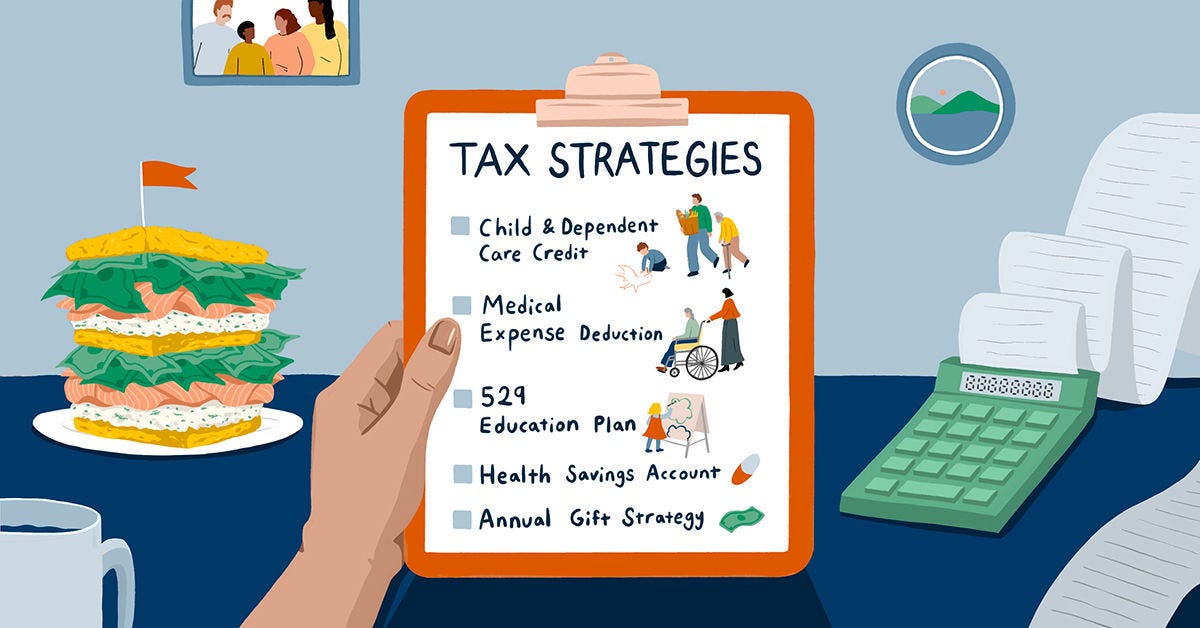
Table of Contents
- Why taxes matter more for the sandwich generation
- Tax credits and deductions for supporting children
- Tax benefits for caring for aging parents
- Retirement and savings strategies with tax advantages
- Managing debt to improve your tax and financial position
- Tax timing strategies unique to the sandwich generation
- When to bring in a tax professional
- Every tax dollar saved strengthens your multi-generational financial future
- Check my rate
Caring for family is deeply meaningful—but for millions of Americans in the sandwich generation, it’s also financially demanding. Supporting aging parents while still raising children or helping young adults get established creates overlapping responsibilities that stretch time, energy, and money. When tax season arrives, those pressures often come sharply into focus.
The reality is that the sandwich generation faces one of the most complex financial pictures of any life stage. Expenses arrive from multiple directions, income may fluctuate, and long-term goals like retirement can feel harder to prioritize. That’s why smart tax strategies aren’t just helpful—they’re essential. With the right approach, taxes can become a lever for relief, stability, and long-term planning rather than another source of stress.
Why taxes matter more for the sandwich generation
Unlike households supporting only children or only aging parents, the sandwich generation must navigate tax rules that span multiple life stages at once. Each generation brings different eligibility requirements, thresholds, and documentation needs—making tax optimization both more challenging and more impactful.
The overlooked cost of dual caregiving
The financial strain of dual caregiving often builds gradually. Many caregivers face:
- Rising out-of-pocket costs for healthcare, prescriptions, mobility aids, and home support for parents
- Ongoing childcare, extracurricular, and education expenses for children
- Reduced work hours, delayed promotions, or career interruptions
- Increased reliance on credit cards or personal loans to manage cash flow gaps
Over time, these pressures can slow savings, increase debt, and leave caregivers feeling like they’re constantly reacting instead of planning ahead.
How strategic tax planning can ease annual financial stress
Tax planning gives caregivers an opportunity to be proactive. Credits, deductions, and tax-advantaged accounts can help offset caregiving costs, improve monthly cash flow, and support longer-term goals. When used intentionally, tax strategies can reduce uncertainty and help caregivers feel more confident about their financial direction—even in demanding seasons of life.
Tax credits and deductions for supporting children
For sandwich generation households still supporting children, several tax benefits may apply—especially during the costly years of childcare, adolescence, and higher education.
Child tax credit and eligibility rules
The Child Tax Credit provides a direct reduction in taxes owed for qualifying children under certain age limits. While income phaseouts apply, many middle-income caregivers still qualify for partial or full benefits. Understanding filing status, income thresholds, and eligibility rules is key to ensuring you don’t leave money unclaimed.
For families balancing multiple dependents, this credit can meaningfully reduce overall tax liability and help offset everyday household costs.
Education-related credits (AOTC and lifetime learning credit)
Education expenses often peak during sandwich generation years. Parents helping fund college or continuing education may qualify for:
- The American Opportunity Tax Credit (AOTC): Available for the first four years of undergraduate education and offering one of the most generous education credits
- The Lifetime Learning Credit: A more flexible option that applies to undergraduate, graduate, and professional development courses
These credits can reduce the net cost of tuition and required fees—providing relief during years when multiple generations may need financial support simultaneously.
Dependent care credit for childcare costs
Working caregivers may also qualify for the Dependent Care Credit if they pay for childcare that enables them to remain employed. Eligible expenses can include daycare, after-school programs, and summer care. This credit recognizes the reality that caregiving often requires paid support—and helps reduce the financial burden that comes with it.
Tax benefits for caring for aging parents
Many caregivers are surprised to learn how many tax benefits may apply when supporting aging parents. Understanding these rules can unlock meaningful savings.
Claiming a parent as a dependent
You may be able to claim a parent as a dependent if you provide more than 50% of their financial support and meet specific income requirements. Support can include housing, food, medical care, and other living expenses.
Claiming a parent as a dependent can open access to additional credits and deductions, making it an important consideration for caregivers managing significant eldercare costs.
Medical expense deductions for elder care
If you pay medical expenses for a parent you support, you may be able to deduct qualifying costs that exceed 7.5% of your adjusted gross income (AGI). Eligible expenses can include:
- Doctor visits, hospital care, and dental services
- Prescription medications and medical equipment
- ·Transportation to and from medical appointments
- Certain home modifications, such as wheelchair ramps or accessible bathrooms
- Long-term care insurance premiums, within IRS limits
Because of the AGI threshold, planning and timing these expenses can significantly affect how much is deductible.
Dependent care credit for elder support
The Dependent Care Credit isn’t limited to children. If you pay for adult day care or similar services for an aging parent so you can work, those expenses may also qualify. This often-overlooked benefit can provide valuable relief for caregivers balancing employment with elder support.
Retirement and savings strategies with tax advantages
One of the greatest risks for the sandwich generation is delaying retirement planning for too long. Tax-advantaged savings strategies can help caregivers protect their future while meeting today’s demands.
Catch-up contributions for 50+ caregivers
Caregivers age 50 and older can take advantage of higher contribution limits for 401(k)s and IRAs. These catch-up contributions are designed to help offset years when saving may have been limited by caregiving responsibilities.
Starting in 2026, workers age 50 and older will be able to put even more into their 401(k)s through catch-up contributions—up to an extra $8,000 per year, bringing the total to $32,500. For those nearing retirement, ages 60 to 63, some plans will offer an even bigger “super catch-up,” allowing contributions of up to $35,750.
One important change to know: under SECURE 2.0, higher-earning employees—those who made more than $145,000 the previous year—will be required to make these catch-up contributions as Roth (after-tax) dollars. Everyone else can typically choose whether their catch-up contributions are pre-tax or Roth, depending on their plan.
Maximizing these contributions can reduce taxable income while strengthening long-term financial security.
HSAs as a triple-tax-advantaged tool
Health Savings Accounts (HSAs) are especially powerful for sandwich generation households. They offer three distinct tax benefits:
- Contributions are tax-deductible
- Account growth is tax-free
- Withdrawals for qualified medical expenses are tax-free
HSAs can be used for medical expenses across generations, making them a flexible tool for caregivers managing healthcare costs now and in the future.
529 Plans for education savings
Even when financial priorities compete, 529 plans can provide long-term advantages. Contributions grow tax-free, and qualified education withdrawals aren’t taxed. For caregivers supporting children or grandchildren, 529 plans help create structure and tax efficiency around education funding.
Managing debt to improve your tax and financial position
Debt often increases during caregiving years—but unmanaged debt can quietly undermine tax and financial planning. High-interest debt affects taxes indirectly by reducing available cash flow, making it harder to fund retirement or HSAs and increases financial stress and uncertainty.
When budgets are tight, caregivers may miss out on tax-advantaged opportunities simply because cash is tied up in monthly payments.
Why debt consolidation can strengthen your tax position
Debt consolidation can help simplify finances by combining multiple balances into one predictable payment, which may improve monthly budgeting, help stabilize cash flow during high-cost caregiving years, and free up money for tax-advantaged savings.
While not a tax deduction itself, consolidation can enable better tax behaviors.
How BHG’s Personal Loan helps the sandwich generation plan ahead
BHG’s personal loan for debt consolidation supports caregivers by providing structure and predictability. Key benefits include:
- Up to 10-year terms,1,2 helping lower monthly payments and ease short-term pressure
- Loan amounts up to $250,000,1 ensuring you have the funds to cover the breathing room you need.
- Fixed interest rates, supporting consistent budgeting throughout caregiving years
- An alternative to variable APR debt, which can rise unexpectedly and strain financial plans
By stabilizing debt payments, caregivers can redirect resources toward HSAs, IRAs, and other tax-saving strategies with confidence.
See your offer † real fast
Just a few easy steps to get prequalified!
† This is not a guaranteed offer of credit and is subject to credit approval.
Tax timing strategies unique to the sandwich generation
Timing can make a meaningful difference—especially when expenses vary year to year.
Bunching medical or eldercare expenses
Grouping medical or caregiving expenses into a single year may help exceed the AGI threshold required for deductions. Strategic planning around timing can maximize deductibility.
Adjusting withholding or estimated payments
Income changes, reduced hours, or increased expenses can lead to tax surprises. Reviewing withholding or estimated payments can help avoid underpayment penalties or large balances due.
Tracking multi-generational expenses all year
Consistent record-keeping is critical. Tracking childcare, eldercare, and medical expenses throughout the year ensures eligible credits and deductions aren’t missed—and reduces stress at tax time.
When to bring in a tax professional
As caregiving responsibilities grow, taxes can become too complex to manage alone—especially when juggling:
- Multiple dependents
- Shared caregiving among siblings
- Significant medical deductions
- Debt management alongside retirement planning
A qualified tax professional can help navigate these challenges. Combined with BHG’s financial tools, professional guidance supports a holistic approach to financial wellness.
Every tax dollar saved strengthens your multi-generational financial future
For the sandwich generation, thoughtful tax planning isn’t just about lowering a bill—it’s about creating breathing room. Every dollar saved through smart tax strategies can help caregivers better support loved ones today while protecting their own financial future.
With proactive planning, disciplined record-keeping, and tools like BHG’s personal loans for debt consolidation, caregivers can build the stability needed to take full advantage of tax-saving opportunities—and move forward with greater confidence, clarity, and control.
And with fixed rates, long terms,1 and concierge-level service, BHG Financial helps make those moves intentional, predictable, and aligned with long-term wealth goals. Check your loan options today, with no impact to your credit score.3
Check my rate
See your offer † real fast
Just a few easy steps to get prequalified!
† This is not a guaranteed offer of credit and is subject to credit approval.
This article has been prepared for informational purposes only, and is not intended to provide, and should not be relied on for tax, legal or accounting advice. You should consult your own tax, legal and accounting advisers before taking any action(s).
Not all solutions, loan amounts, rates or terms are available in all states.
1 Terms subject to credit approval upon completion of an application. Loan sizes, interest rates, and loan terms vary based on the applicant's credit profile. Not all applicants will qualify for the lowest rate.
2 Personal Loan Repayment Example: A $60,000 personal loan with a 7-year term and an APR of 17.06% would require 84 monthly payments of $1,191.38.
3 There is no impact on your credit for applying. For personal loans, a complete credit history, which will appear as an inquiry on your credit report, will be performed upon acceptance and funding of the loan and may impact your credit.
Consumer loans funded by Pinnacle Bank, a Tennessee bank, or County Bank. Equal Housing Lenders. 
No application fees, commitment, or impact on personal credit to estimate your payment.
For California Residents: Personal loans made or arranged pursuant to a California Financing Law license - Number 603G493.

Bankers Healthcare Group, LLC d/b/a BHG Financial NMLS ID# 2040829