
Personal loans
Customized financing to consolidate high-interest debt and unlock financial flexibility.
WAYS TO USE YOUR LOAN
Resources
Guides, insights, and research – explore our latest articles.
About BHG
Programs
Home Equity Loan vs. Personal Loan: Best Way to Pay Off Debt
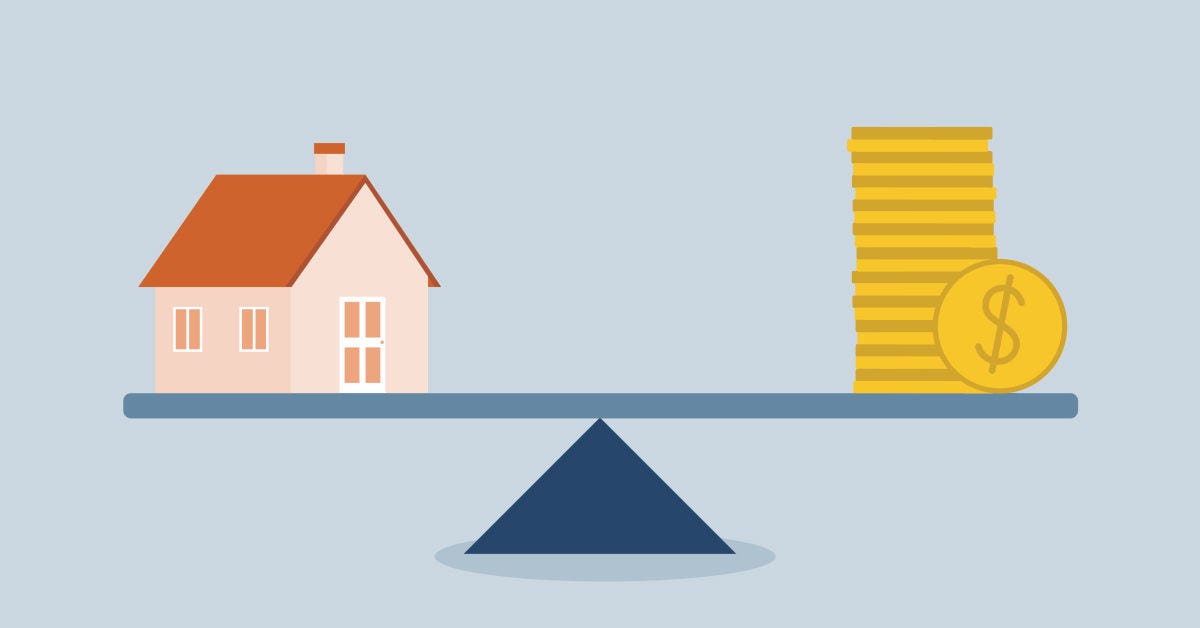
High-income professionals often turn to debt consolidation to simplify their finances, lower interest costs, and improve cash flow. If you’re weighing a home equity loan vs. a personal loan for debt consolidation, the best choice depends on how quickly you need the funds, your comfort with collateral, and your overall cost over time.
This guide explains each option, how they differ, and when one may be better than the other—so you can make a confident choice based on the data.
What is debt consolidation, and how do loans help?
Debt consolidation is the process of combining multiple debts into a single, fixed-rate personal loan, ideally at a lower rate or with better terms.
Both home equity loans and personal loans provide a lump sum you can use to pay off debt. This can replace multiple due dates with a single predictable monthly payment, potentially reducing your interest costs and helping you regain cash flow control.
Common debts consolidated with these loans include:
- High interest credit cards and retail cards
- Medical bills
- Installment loans
- Certain professional or business-related personal debts
- Past-due utilities or miscellaneous unsecured balances
While both loan types deliver lump-sum funds that you repay over a fixed schedule, their structure and typical costs differ in ways that affect your household's finances.
Simplify your debt
Get prequalified fast and see your personal loan offers †
† This is not a guaranteed offer of credit and is subject to credit approval.
What is the difference between home equity loans and personal loans?
A home equity loan is a secured, lump-sum loan that uses your home as collateral. This is similar to a home equity line of credit (HELOC), but HELOCs provide a revolving line of credit you can draw from. Sometimes called a second mortgage, a home equity loan typically has a fixed rate and long term options. The amount you can borrow depends on your equity, loan-to-value limits, underwriting guidelines, and your financial situation.
A personal loan is an unsecured installment loan. It doesn’t require using your home as collateral and offers fixed, predictable monthly payments. Your odds of approval hinge largely on your credit profile and income, and loan amounts can be up to $250,0001 through premium lenders like BHG Financial.
|
|
Home equity loan (secured) |
Personal loan (unsecured) |
|---|---|---|
|
Collateral |
Secured by your home |
No collateral required |
|
Primary risk |
Foreclosure if you default |
Credit score damage; collections risk |
|
Loan size |
Often larger; based on home equity and LTV limits |
Generally lower; up to $50,000–$100,000 ($250,000 through BHG1) |
|
Funding speed |
Slower (appraisal, documentation, and closing steps can take weeks) |
Faster (most applications are online and can fund within days) |
|
Rate |
Lower on average due to collateral |
Higher on average |
|
Best use cases |
Large consolidations where lower payments over longer terms are key |
Faster access, no home risk, modest-to-mid-size balances |
Interest rates and terms
Because they’re secured by your property, home equity loans generally carry lower fixed rates than personal loans, according to the Federal Deposit Insurance Corporation.
Recent data shows the gap. The Federal Reserve reports an average personal loan rate of 11.65% as of early 2026, compared to 7.59% for home equity loans, according to Experian. While personal loan APR ranges vary by lender, they range from 8.72% to 28.89% with BHG Financial.1
Additionally, typical repayment terms for home equity loans are five to 30 years, compared to one to seven years for personal loans. However, some premium lenders, like BHG Financial, offer longer personal loan terms of up to 10 years1,2.
FYI: While a longer term can lead to more manageable payments, the tradeoff is paying more total interest over time. Learn when longer loan terms can make sense.
Collateral requirements
It’s important to know that collateral is an asset a borrower pledges to secure a loan. If the borrower defaults, the lender can take the collateral to recover their losses. This is the main difference between secured and unsecured loans.
With a home equity loan, your property secures the debt, so missed payments can lead to foreclosure. This is the biggest risk with home equity loans. Additionally, you can face legal expenses and credit damage associated with the default.
Personal loans don’t involve a lien on your home, so there’s no foreclosure risk. However, missed payments can still severely damage your credit score and may lead to collections or legal action.
Qualification requirements
While they can vary by lender, minimum requirements for these loans commonly include:
Home equity loans:
- Sufficient equity (often at least 15%–20%)
- Combined loan-to-value capped at around 80%–85%
- Minimum credit score of 620, per Bankrate
- Consistent and sufficient income
- Debt-to-income (DTI) ratio ideally below 43%
Personal loans:
- Minimum credit score of 640, with higher scores ideal for better terms
- Income verification
- DTI ratio ideally below 36%, though certain lenders, including BHG Financial, might accept higher DTIs with sufficient and consistent income
When you apply, expect your lender to request documents verifying your income, identity, and collateral (if applicable).
Fees, funding speed, and taxes
Home equity loans typically require a property appraisal and closing costs (which can include title services and recording fees) that run 2% to 5% of the loan amount. Since the application and underwriting are more involved, it can take several weeks to get your funds. However, if you use your loan for qualifying home improvements, the interest might be tax-deductible, according to the IRS.
Personal loans may charge an origination fee of 1% to 10% and potential late fees, but they usually don’t involve closing costs. Since the application process is simpler, you can receive your funds quickly within days. However, you generally can’t deduct your personal loan interest on your tax return even if you use the funds for home improvements.
When to choose a home equity loan
Since you can often borrow up to 80% to 85% of your home’s value (subject to lender and LTV limits), a home equity loan can be a good fit when you’re consolidating a large amount of high-interest debt, such as credit cards and large professional expenses. You can benefit from the lower monthly payments that come from a lower rate and a longer term.
If you’re comfortable with a slower, more document‑intensive closing process—and you’re willing to use your home as collateral, provided you have sufficient equity—this route can lead to meaningful savings and predictability.
Pros of a home equity loan for debt consolidation
Here are the main benefits of consolidating debt with a home equity loan:
- Lower average interest rates: Secured by your property, home equity loans typically feature more competitive rates than unsecured alternatives, which can reduce the cost of carrying large balances.
- Potentially larger loan amounts: Because approval is based on your home’s equity and combined LTV limits, you can often access higher limits that suit high-balance consolidations.
- Longer terms for lower monthly payments: Extended repayment terms can make your payments more manageable and stabilize your cash flow, though total interest may be higher over time.
Cons of a home equity loan for debt consolidation
While home equity loans offer benefits, they also come with these main drawbacks:
- Foreclosure risk: Since your home secures the loan, missed payments can result in foreclosure, legal costs, and credit damage.
- Slower funding time: The appraisal, underwriting, and closing steps can extend the timeline to several weeks compared with faster unsecured options.
- Appraisal and closing costs: Fees such as appraisal, title services, and recording can add to your upfront expenses.
When to choose a personal loan
A personal loan is often best when you need funds within days and don't want to risk using your home as collateral. It's also appealing if you value a straightforward, fixed‑payment plan without appraisals or closing costs and are consolidating modest‑to‑mid‑size balances, as many lenders cap loan amounts at around $50,000–$100,000.
Pros of a personal loan for debt consolidation
Benefits of using a personal loan for debt consolidation include:
- Fast approvals and funding: Many personal loan lenders can make quick approval decisions and fund within a few business days, which can help you move forward faster. BHG Financial may provide a decision in as little as 24 hours, and approved applicants often receive funding in as few as five days.3
- No collateral required: Since your home and other assets can’t be repossessed if you miss a payment on an unsecured loan, personal loans compared to HELOCs or home equity loans are much less risky.
- Predictable budgeting: Fixed monthly payments make it easier to budget effectively based on your monthly cash flow.
Cons of a personal loan for debt consolidation
Key drawbacks of taking out a personal loan include:
- Higher average rates: Annual percentage rates, or APRs, are typically higher on personal loans than secured financing options, like home equity loans, which can affect both your payment amount and long-term interest costs.
- Shorter terms, higher payments: Shorter repayment periods can raise your monthly payments, though repaying quickly may still reduce the total interest paid over the life of the loan. BHG offers industry-leading extended terms up to 10 years1,2, which allow you to keep monthly payments low.
- Origination fees: While there aren’t any closing costs, origination fees can run 1% to 10% of your borrowed amount and typically reduce the proceeds.
See your offer † real fast
Just a few easy steps to get prequalified!
† This is not a guaranteed offer of credit and is subject to credit approval.
Home equity loan vs. personal loan: Which should you choose for debt consolidation?
Follow these four steps to figure out if debt consolidation is a good idea for you, and which loan option is best for your financial situation:
- Review your debts, APRs, and monthly cash flow to identify which debts make sense to consolidate and what monthly payment you can realistically afford.
- Compare the after-tax loan costs, including the APR and any extra fees, so you can truly evaluate each loan option apples-to-apples.
- Consider the risks associated with collateral and your comfort with using a property-backed loan versus an unsecured alternative.
- Consider your timeline, including how fast you need the funds and whether you can wait for an appraisal and closing.
FYI: For very large balances where lower monthly payments are critical, a home equity loan can reduce your costs. For speed and no collateral risk, a personal loan is often simpler but may cost more in interest. If you need to consolidate large amounts but don’t want a home equity loan, $100,000 personal loans can be a good choice.
Why choose a personal loan for debt consolidation from BHG Financial
For many high earners, consolidating multiple cards and installment loans into a single BHG Financial personal loan can free up cash flow, reduce stress, and support long-term credit health through on-time, predictable payments.
We specialize in large, flexible, unsecured personal loans—up to $250,0001—with fixed rates and terms up to 10 years1,2 designed to simplify your high-interest debt without putting your home at risk. Our personalized underwriting looks beyond a single credit score to understand your full financial picture. You can also expect these benefits:
- Soft-pull prequalification to check your rate without impacting your credit score4
- Fast decisions, often within 24 hours3
- Funding in as few as five days3
- Clear terms, dedicated guidance, and a streamlined experience built for busy professionals
Ready to learn more? Get a personalized payment estimate in just seconds, with no impact to your credit score.4
Check my rate
See your offer † real fast
Just a few easy steps to get prequalified!
† This is not a guaranteed offer of credit and is subject to credit approval.
Not all solutions, loan amounts, rates or terms are available in all states.
1 Terms subject to credit approval upon completion of an application. Loan sizes, interest rates, and loan terms vary based on the applicant's credit profile. Not all applicants will qualify for the lowest rate.
2 Personal Loan Repayment Example: A $60,000 personal loan with a 7-year term and an APR of 17.06% would require 84 monthly payments of $1,191.38.
3 This is not a guaranteed offer of credit and is subject to credit approval.
4 There is no impact on your credit for applying. For personal loans, a complete credit history, which will appear as an inquiry on your credit report, will be performed upon acceptance and funding of the loan and may impact your credit.
Consumer loans funded by Pinnacle Bank, a Tennessee bank, or County Bank. Equal Housing Lenders. 
No application fees, commitment, or impact on personal credit to estimate your payment.
For California Residents: Personal loans made or arranged pursuant to a California Financing Law license - Number 603G493.

Bankers Healthcare Group, LLC d/b/a BHG Financial NMLS ID# 2040829