
Personal loans
Customized financing to consolidate high-interest debt and unlock financial flexibility.
WAYS TO USE YOUR LOAN
Resources
Guides, insights, and research – explore our latest articles.
About BHG
Programs
Maximum Personal Loan Amounts in 2026: Limits and Factors
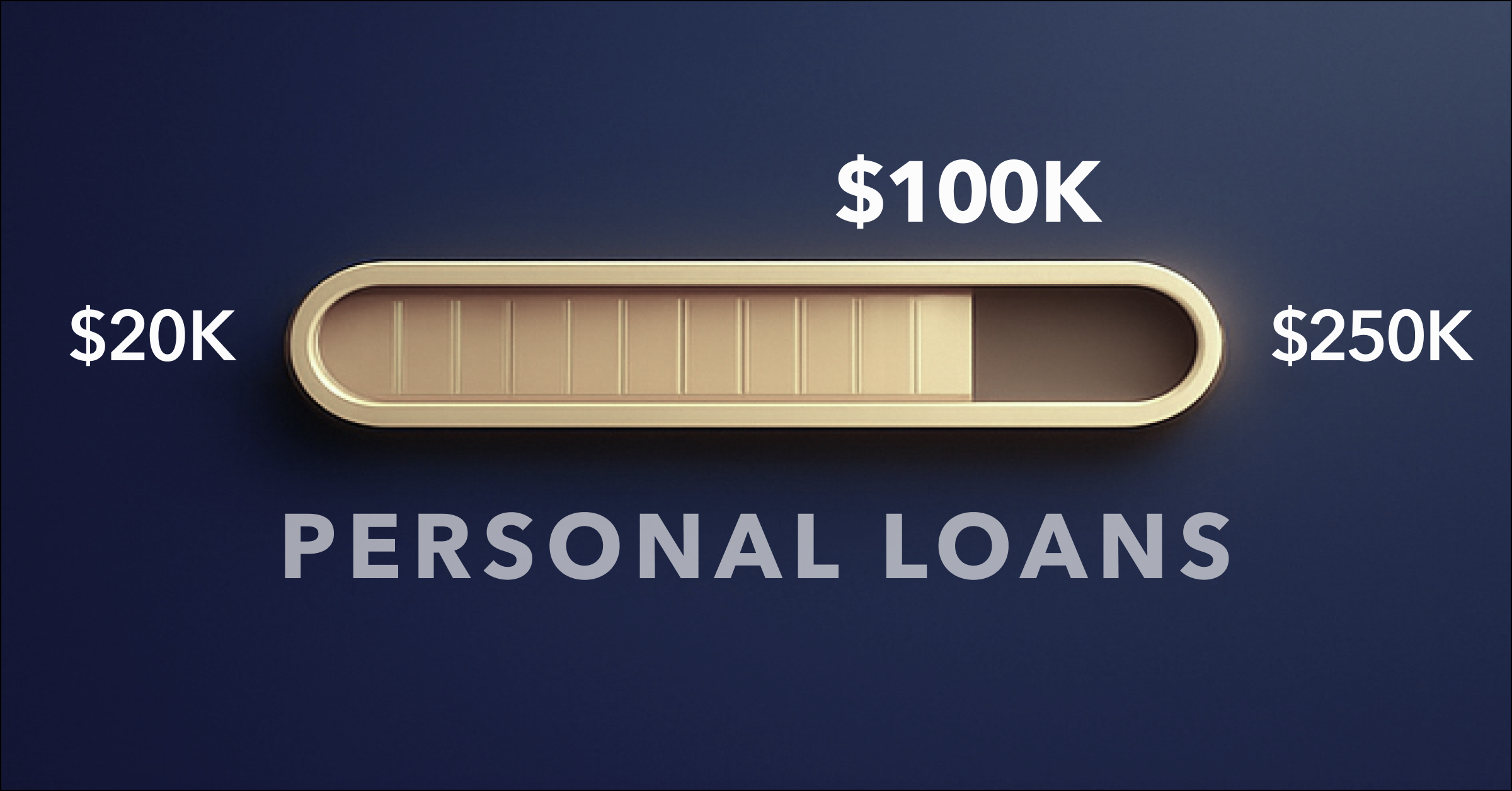
Table of Contents
- How much can you borrow in 2026?
- Factors influencing your maximum personal loan amount
- Typical maximum loan amounts by lender type
- Trends shaping personal loan limits and borrower profiles
- Impact of borrowing the maximum amount
- How BHG Financial supports large, flexible personal loans
- Explore your high-limit loan options with BHG
- Check my rate
- FAQs
If you're exploring ways to strengthen your cash flow or simplify high-interest debt, understanding the maximum personal loan amount lenders will approve in 2026 can give you a clearer path forward.
Most leading banks and online lenders cap unsecured personal loans at $100,000, but a select few specialized lenders like BHG Financial can extend up to $250,0001 for highly qualified borrowers. These larger unsecured personal loan amounts are often available to high earners and business owners who can demonstrate strong income and credit histories.
Below, we’ll break down typical loan limits, what lenders look for, and how to position yourself for the highest loan amounts available today.
Key TAKEAWAY
Personal loan limits range from $100,000 to $250,000, per credit policies of different loan providers. The amount you can access depends on key factors like credit score, income, and debt-to-income ratio. With the right lender—and a strong financial profile—you can unlock significantly greater borrowing power and long-term flexibility.
How much can you borrow in 2026?
Personal loans remain a preferred financing option for many Americans seeking to simplify debt or access liquidity without selling investments. Most traditional lenders cap personal loan amounts at $100,000, while specialized lenders like BHG Financial—which serves high-income professionals and business owners—offer extended terms1 and larger amounts1 that better align with the financial goals of this population.
Overview of personal loan amounts in 2026:
|
Lender type |
Typical minimum |
Typical maximum |
Average terms |
|---|---|---|---|
|
Online lenders |
$1,000 |
$40,000–$100,000 |
2–7 years |
|
Major banks |
$2,500 |
$50,000–$100,000 |
2–7 years |
|
Credit unions |
$500 |
$50,000–$100,000 |
1–5 years |
|
$20,000 |
$250,0001 |
2–10 years1,2 |
Fortune’s top pick for large loans
Explore unsecured personal loan options up to $250K†
† Terms subject to credit approval upon completion of an application. Loan sizes, interest rates, and loan terms vary based on the applicant's credit profile. Not all applicants will qualify for the lowest rate.
Factors influencing your maximum personal loan amount
In 2026, lenders continue to reward borrowers with strong credit, verifiable income, and low debt-to-income ratios (DTI) with higher loan approvals. The most influential factors typically include:
- Credit score and payment history
- Income and employment stability
- Debt-to-income (DTI) ratio and existing financial obligations
- Loan purpose and lender policies
Understanding how these elements work can help you strategically position yourself to qualify for large personal loans. Lenders reserve the most favorable terms for borrowers who demonstrate exceptional financial stability across these metrics.
1. Credit score and creditworthiness
Your credit score is one of the biggest factors determining both your approval odds and your maximum loan amount. Lenders continue to rely on risk-based pricing, meaning the higher your score, the lower your rate—and the larger your potential loan.
Borrowers with scores above 720 typically qualify for the best rates and highest amounts. The average APR for excellent-credit borrowers hovers around 12% to 15%, while those with poor scores can face rates exceeding 28%.
If you’re aiming for six-figure financing, maintaining a strong credit history (i.e., on-time payments, low utilization, and a long credit record) signals to lenders that you’re a reliable borrower.
2. Income and employment history
Consistently high income can make the difference between a $50,000 and a $250,000 approval. Lenders look for steady, predictable cash flow over time, typically demonstrated by your employment history or proven business revenue. Showing steady income growth or multiple reliable revenue sources increases your credibility.
Professionals earning $150,000+ annually with strong credit and low DTI are often eligible for the largest unsecured personal loan amounts, especially when working with lenders like BHG Financial, who understand complex income structures.
3. Debt-to-income ratio and financial obligations
Your DTI ratio—monthly debt payments divided by gross monthly income—tells lenders how much of your income is already committed.
- Most lenders prefer a DTI under 40% for large loans.
- Super-prime lenders like BHG Financial may accommodate slightly higher ratios for high earners with strong credit and demonstrated liquidity.
A DTI under 30% often unlocks the best offers. This is because lower ratios indicate greater financial flexibility to take on additional debt and increase your chance of qualifying for maximum personal loan amounts.
You can improve your DTI by paying down smaller debts or consolidating high-interest credit cards into a single fixed-rate loan, which reduces your monthly payments and improves your borrowing capacity.
4. Loan purpose and lender policies
While most personal loans are unrestricted, lenders may use your stated purpose for borrowing funds to set internal maximums or adjust risk assessments. For example, some lenders may cap consolidation loans differently from home improvement or medical financing.
There are no federal legal limits on how large a personal loan can be. Instead, each lender sets its own internal personal loan limits based on its risk models and business policies. This is why there is variation in available loan amounts across different financial institutions.
Typical maximum loan amounts by lender type
Online lenders and fintech partners
|
Lender |
Max loan amount |
Max term |
Secured/Unsecured |
|---|---|---|---|
|
|
$250,0001 |
10 years1,2 |
Unsecured |
|
SoFi |
$100,000 |
7 years |
Unsecured |
|
Upgrade |
$50,000 |
7 years |
Secured/Unsecured |
|
Lending Club |
$60,000 |
6 years |
Typically unsecured |
|
Best Egg |
$50,000 |
5 years |
Secured/Unsecured |
SOURCES: SoFi, Upgrade, LendingClub, Best Egg, Accessed on 02/10/26
Most online lenders and fintech platforms cap personal loans at $100,000 or below, depending on the credit policy of the lender and the applicant's risk assessment and qualifications. These platforms leverage advanced data analytics and automation to evaluate applications quickly, often providing decisions within hours rather than days.
The convenience offered by online lenders and fintech partners is undeniable for customers seeking personal funding. However, those providing loans of $100,000 or less are often not equipped to evaluate more complex, high-income profiles. Their standardized underwriting models may overlook the true financial capacity of professionals with variable income streams or non-traditional employment arrangements.
BHG Financial bridges that gap with personalized underwriting, offering personal loans up to $250,0001 for professionals whose finances may not fit a one-size-fits-all model.
Major banks' personal loan limits
|
Banks |
Max loan amount |
Max term |
Secured/unsecured |
|---|---|---|---|
|
LightStream |
$100,000 |
12 years |
Unsecured |
|
Discover |
$40,000 |
7 years |
Unsecured |
|
Wells Fargo |
$100,000 |
7 years |
Unsecured |
|
Citi |
$30,000 |
5 years |
Unsecured |
SOURCES: LightStream, Discover, Wells Fargo, Citi, Accessed on 02/10/26
Traditional banks also offer competitive maximum loan amounts, emphasizing relationship-based lending and comprehensive financial services. LightStream and Wells Fargo both offer personal loans of up to $100,000, with LightStream providing extended repayment terms for qualified borrowers.
However, banks typically require excellent credit, stable W-2 income, and more documentation for large unsecured loans. Their underwriting processes often involve more thorough documentation and verification than those of online lenders, and the path from application to funding is significantly longer.
Credit unions and their loan caps
|
Credit union |
Max loan amount |
Max term |
Membership required? |
|---|---|---|---|
|
Navy Federal |
$50,000 |
5 years |
Yes, plus ties to the armed forces |
|
PenFed |
$50,000 |
7 years |
Yes |
|
Alliant |
$100,000 |
5 years |
Yes |
SOURCES: Navy Federal, PenFed, Alliant, Accessed on 02/10/26
Credit unions are subject to legal restrictions that cap the annual percentage rate on loans at 18%, making them an attractive option for borrowers seeking lower-cost financing. However, you’ll need to be a member of the credit union to get a loan from the institution. Member benefits include more personalized service, flexible qualification criteria, and long-term financial counseling support.
Borrow more without collateral
Explore unsecured personal loan options up to $250K†
† Terms subject to credit approval upon completion of an application. Loan sizes, interest rates, and loan terms vary based on the applicant's credit profile. Not all applicants will qualify for the lowest rate.
Trends shaping personal loan limits and borrower profiles
The personal loan market continues to expand. According to Fortune Business Insights, the global personal loan market is expected to grow from $429.78 billion in 2025 to over $1.09 trillion by 2032—a 14.3% annual growth rate.
In the U.S., demand remains strong, particularly among prime and super-prime borrowers. TransUnion’s 2025 Consumer Lending Report shows personal loan originations increased 18% year-over-year, with more prime borrowers (FICO 721+) seeking loans.
Notably, high-income professionals represent a growing share of loan demand—driven not by financial distress, but by strategic borrowing for liquidity, tax efficiency, and opportunity readiness. Millennials and Generation Z borrowers lead in application volume, and higher-earning professionals consistently qualify for larger loan amounts at more favorable rates.
Debt consolidation remains the top loan purpose, reflecting borrowers’ focus on simplifying high-interest debt and improving their cash flow.
The impact of borrowing the maximum amount
Securing the maximum personal loan amount can provide powerful financial leverage—but it’s essential to balance opportunity with responsibility. Even when lenders approve substantial loan amounts, it’s crucial to determine what you can comfortably repay while maintaining cash flow for other obligations and investments.
Benefits of borrowing at the maximum limit
- More liquidity: Take advantage of strategic financial opportunities while reserving cash or investments for higher-return uses.
- Flexible capital: Handle several goals at once.
- Simplified payments: Combine significant high-rate debts into one predictable monthly payment.
Risks of overborrowing
The immediate risks associated with maximum borrowing are that your monthly payments will be significantly higher and the total interest paid will increase. There is also a greater risk of missed payments that can damage credit scores and future borrowing capacity.
And while higher incomes provide more breathing room, they don’t eliminate risk: the Federal Reserve says delinquency rates among the highest-earning households are increasing faster than any other segment.
If you’re using a personal loan to consolidate debt, ensure you have a solid plan in place for avoiding new debt. Unfortunately, TransUnion reports that many consumers accumulate new credit card debt within 18 months, even after using a loan to pay down old accounts.
Once you consolidate high-interest credit card debt with a personal loan, be mindful of how you use your credit cards so you don’t end up back in the same situation months later.
Managing monthly payments and repayment terms
Understanding how repayment length affects your monthly budget is key to borrowing strategically. Longer loan terms reduce monthly payments and protect cash flow but increase the total interest paid.
Example monthly payments at 15% APR:
|
Loan amount |
5-year term |
7-year term |
10-year term |
|---|---|---|---|
|
$50,000 |
$1,189/mo |
$964/mo |
$806/mo |
|
$75,000 |
$1,784/mo |
$1,447/mo |
$1,210/mo |
|
$100,000 |
$2,378/mo |
$1,929/mo |
$1,613/mo |
|
|
Monthly payment |
19% |
32%
|
Choosing the right term depends on your cash flow and goals. For example, some high-income borrowers prefer extended terms1 because they offer predictable, lower payments that help preserve liquidity. If your income allows, you can always pay off the loan faster without penalty.
Strategic ways to use large personal loans
When managed wisely, large personal loans can serve as powerful financial tools for accelerating long-term growth. For example, you might use a personal loan for:
- Debt consolidation: Replace multiple high-interest debts with one fixed-rate loan.
- Liquidity management: Keep cash available for emergencies or investment opportunities.
- Major life milestones: Move adult children back home, fund weddings, and pay for home renovations.
- Eldercare: Cover expenses for medical care, assisted living, or aging in place modifications.
- Professional goals: Allocate funds for relocation, education, or career development.
Align your loan with goals that either lower your overall financial costs or support long-term growth. When used intentionally, a large personal loan becomes a tool—not a burden—helping you move forward with more confidence and financial clarity.
How BHG Financial supports large, flexible personal loans
BHG Financial offers one of the highest unsecured personal loan limits in the industry—up to $250,0001—with repayment terms of up to 10 years.1,2 Designed for high-income professionals, BHG’s loans combine premium service with fast decisions and minimal documentation.
Highlights include:
- Approval decisions in as little as 24 hours3
- Funding in as few as 5 days3
- No prepayment penalties
- Fixed monthly payments and extended terms1 for predictable budgeting
- No impact on your credit score to prequalify4
Unlike algorithm-driven lenders, BHG’s personalized underwriting accounts for complexities in financial profiles, including diverse income sources, seasonal variations, and professional growth trajectories. This enables qualified borrowers to access higher limits and more favorable terms than traditional lenders typically offer.
Plus, our U.S.-based loan specialists can tailor offers that help you structure financing in ways that support your long-term goals.
Explore your high-limit loan options with BHG
The maximum personal loan amount lenders will approve depends on who you work with and your creditworthiness. While limits of $100,000 are most common, qualified professionals have access to unsecured personal loans of up to $250,0001 with BHG Financial.
With the right partner—one that values your professional success and financial complexity—you can unlock larger financing with confidence, flexibility, and peace of mind.
Ready to see what’s possible? Use our quick and easy payment estimator to get your personalized loan estimate in just seconds.3
Check my rate
See your offer † real fast
Just a few easy steps to get prequalified!
† This is not a guaranteed offer of credit and is subject to credit approval.
Frequently asked questions
What is the highest personal loan amount I can realistically qualify for?
Most lenders cap at $100,000, but specialized lenders like BHG Financial offer up to $250,0001 for highly qualified professionals. Reaching these maximum amounts requires excellent credit scores, substantial income, and demonstrated repayment capacity.
Are there legal limits on personal loan amounts?
No. The U.S. has no federal caps on unsecured personal loans. Individual banks, credit unions, and online lenders set their own maximum limits based on internal risk policies, business models, and regulatory requirements.
How do credit score and income impact my maximum loan approval?
Credit score and income serve as the primary factors in determining maximum loan approval amounts. Lenders use these metrics to assess both your likelihood of repayment and your capacity to service debt. Higher credit scores and income levels enable qualification for larger loan amounts with more favorable interest rates and terms.
Should I borrow the full maximum amount offered to me?
Not necessarily. Borrow only what you truly need and can comfortably afford to repay, even when qualified for higher amounts. Consider your actual financial requirements, monthly budget capacity, and long-term financial goals when determining an appropriate loan size rather than simply accepting the maximum available amount.
What steps can I take to qualify for a larger personal loan?
Improving your credit score through consistent payment history and reduced credit utilization, increasing your documented income, and reducing existing debt obligations can significantly boost your chances of qualifying for larger personal loan amounts. Additionally, maintaining stable employment and working with specialized lenders who understand complex financial profiles can enhance your borrowing capacity over time.
Not all solutions, loan amounts, rates or terms are available in all states.
1 Terms subject to credit approval upon completion of an application. Loan sizes, interest rates, and loan terms vary based on the applicant's credit profile. Not all applicants will qualify for the lowest rate.
2 Personal Loan Repayment Example: A $60,000 personal loan with a 7-year term and an APR of 17.06% would require 84 monthly payments of $1,191.38.
3 This is not a guaranteed offer of credit and is subject to credit approval.
4 There is no impact on your credit for applying. For personal loans, a complete credit history, which will appear as an inquiry on your credit report, will be performed upon acceptance and funding of the loan and may impact your credit.
No application fees, commitment, or impact on personal credit to estimate your payment.
Consumer loans funded by Pinnacle Bank, a Tennessee bank, or County Bank. Equal Housing Lenders. 
For California Residents: Personal loans made or arranged pursuant to a California Financing Law license - Number 603G493.

Bankers Healthcare Group, LLC d/b/a BHG Financial NMLS ID# 2040829