Personal Loans

Customized financing to consolidate high-interest debt and unlock financial flexibility.

WAYS TO USE YOUR LOAN

Business loans

Tailored commercial financing that supports all your business needs to help you grow quickly.

Tailored for entrepreneurs that want to establish additional active and passive income streams.


Customized financing to consolidate high-interest debt or fund major purchases or expenses.

Debt Consolidation

7 Key Factors That Determine Eligibility for High‑Limit Debt Consolidation Loans
January 12, 2026 | 7 min read
Share on social
Which business loan is right for you
Share on social

When you’ve worked hard to build success, financial clutter shouldn’t slow you down. A high-limit debt consolidation loan helps you replace multiple payments with one predictable monthly plan and potentially lower your interest costs.

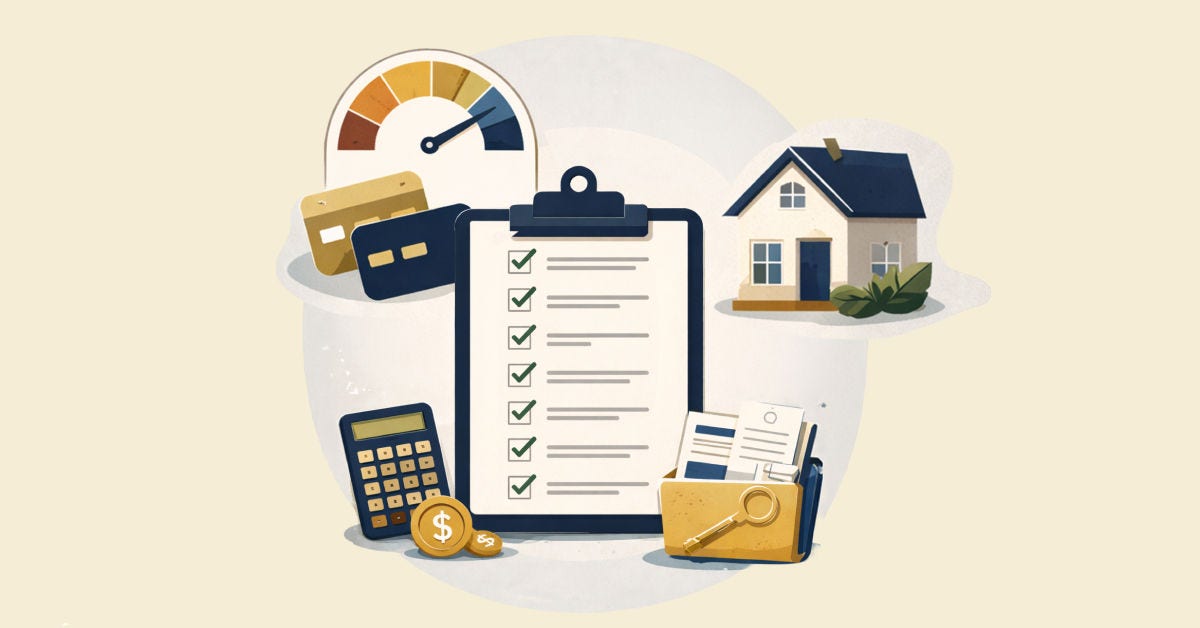
Lenders consider a mix of quantitative and qualitative factors when reviewing high-limit consolidation applications. Strength in one area—like income or payment history—can offset minor weaknesses elsewhere. Understanding how these seven factors work together helps you position yourself for fast approval and optimal terms.


Key takeaway

Qualifying for a high‑limit debt consolidation loan, like the one offered by BHG Financial, depends on seven core factors that lenders use to assess repayment ability and set terms: credit score, income and employment stability, debt‑to‑income ratio, credit history, collateral, loan purpose/terms, and documentation.

1. Credit score requirements

Your credit score is one of the most important indicators of financial health. It signals to lenders how you manage borrowed money and helps determine your loan amount, rate, and repayment terms.

Credit score requirements for high‑limit loans will be pretty strict. Most lenders reserve their best offers for scores of 740+, though applicants with scores of 690+ often qualify for competitive rates. Those with lower scores can still qualify, but expect higher rates, or lenders to potentially ask for collateral.

Quick steps to strengthen your score before applying:


Even modest improvements—a 20- to 30-point bump—can unlock better rates or a larger approved amount.


Tip: BHG Financial offers large unsecured personal loans, meaning no collateral is required.

2. Income level and employment stability

High-limit consolidation loans are designed for successful professionals with proven earning power. A verifiable income gives lenders confidence that you can handle larger monthly payments and repay them on schedule.

Many premium lenders—including BHG Financial—prefer annual incomes of $100,000 or more for high-limit products.

What lenders look for:

  • Stable employment (two or more years in the same role or industry)
  • Verifiable earnings via W-2s, pay stubs, tax returns, or 1099s
  • Supplemental income such as rental or investment returns


Gather your income documents in advance to speed up underwriting. BHG Financial’s streamlined documentation process simplifies this step, even for self-employed borrowers. Submit only what’s necessary and let our U.S.-based loan specialists handle the rest.

3. Debt-to-income ratio 

Debt‑to‑income ratio (DTI) compares your total monthly debt obligations to your gross monthly income. Along with your credit score, it’s one of the clearest indicators of your ability to manage new debt responsibly.

How to calculate it:

Add all your monthly debt payments (mortgage, student loans, credit cards, auto loans, etc.) and divide by your gross monthly income. Multiply this figure by 100 to find your DTI percentage.

Typical lender thresholds for personal loans:

  • Below 36%: Best rates and approval odds
  • 36%–43%: Good chances with competitive terms
  • 43%–50%: Possible approval, may require additional verification or higher rates
  • Above 50%: Limited options; consider paying down revolving debt first


If your ratio is high, lowering it can have an immediate impact. Paying down credit card debt, consolidating smaller loans, or increasing income can help improve your ratio. However, a few lenders, including BHG, are willing to work with borrowers who have a higher ratio if they have substantial income or a strong financial profile.


Read more: How much credit card debt is too much?

4. Clean credit history 

Beyond your score, lenders review your payment history, credit mix, and any red flags (such as late payments or collections).

For high-limit approval, most lenders look for a track record of consistent on-time payments and no recent bankruptcies or active foreclosures. Even if you’ve had setbacks, showing consistent positive behavior since can make a difference.

To improve your profile, bring past‑due accounts and set up autopay to avoid missing payments. If you’ve recently paid off or consolidated credit card debt, give it a full billing cycle to reflect on your report before applying.

5. Collateral (in some cases) 

Collateral—an asset pledged to secure a loan—can be used to qualify for larger amounts or better rates. Common collateral includes real estate, vehicles, investment accounts, or savings. However, many high-income borrowers prefer unsecured loans, which don’t require pledging personal assets to secure financing.

Here’s how the two compare:

Loan type

Advantages

Disadvantages

Secured

Higher limits, lower rates, easier approval

Risk of asset seizure, slower processing

Unsecured

No asset risk, faster processing

Lower limits, higher rates, stricter approval


Not all lenders offer high-limit unsecured personal loans. Most personal loan amounts range from $1,000 to $100,000. However, BHG Financial offers loan amounts up to $250,0001 for qualified borrowers, allowing you to consolidate significant debt without collateral.

6. Loan purpose, amount, and terms considerations 

Lenders also consider how you plan to use the loan, the requested amount, and term length to ensure the loan meets underwriting standards and repayment capacity. When you apply for debt consolidation, be prepared to list the debts you’ll be paying off and their current balances.

Typical consolidation loans range widely. The requested amount should align with your total payoff needs. Borrowing more than you need can increase your monthly payments or unnecessarily raise your DTI.

Common term lengths:

  • 24–48 months: Higher payments, less total interest
  • 60–120 months: Lower monthly payments, more flexibility, slightly higher overall cost


Choosing a loan term that fits your goals—such as reducing stress or maximizing cash flow—can make consolidation more strategic.


Monthly Payment Comparison
$40K Balance  |  14.63% APR


Max term
(months)

Monthly
payment

Sofi

84

$764

LightStream

84

$764

Upstart

60

$944

Discover

84

$764

LendingClub

60

$944

Best Egg

60

$944

Cell Image

120

$636*

 
* BHG monthly payment based on BHG’s minimum available APR for a 10-year term, which is 14.63% as of 12/8/25 and includes an origination fee. Your actual loan size, loan term, and monthly payment amount may vary based on your individual credit profile and other information provided in your loan application. Terms subject to credit approval.


Pro tip: Use prequalification tools (which don’t impact your credit score) to compare different loan amounts and terms before applying for a high-limit loan.

7. Required documentation 

During the application process, lenders will ask you to upload documentation that verifies your identity, income, employment, residence, and the debts you intend to consolidate.

What you’ll typically need:

  • Proof of identity: Driver's license, passport, or state-issued ID card
  • Proof of income: Recent pay stubs, W-2 forms, or tax returns
  • Proof of address: Utility bills, lease agreements, or bank statements.
  • Debt statements: Current balances and payoff amounts for all debts to be consolidated.


Once your application is submitted, the lender will evaluate it and, if approved, send your final loan agreement. Review your terms thoroughly before signing, paying close attention to the payment schedule, rate disclosures, and prepayment conditions.

BHG Financial: A trusted lender for high-limit loans

High-limit debt consolidation loans are a powerful way to simplify your finances, free up cash flow, and regain control over your long-term goals. By focusing on the seven core eligibility factors, you can position yourself for a seamless approval process and industry-leading terms.

With BHG Financial, you’ll have access to one of the nation’s most trusted providers of large, unsecured personal loans—backed by concierge-level service, fast decisions, and funding in as few as five days.2


Ready to see what’s possible? Estimate your monthly payment in seconds with no impact on your credit score.3

Check my rate

See your offer real fast

Just a few easy steps to get prequalified!

 
This is not a guaranteed offer of credit and is subject to credit approval.

High-limit consolidation loan FAQs


What is the minimum credit score needed?

Most lenders set a minimum around 580, but if you’re looking for a large loan, you’ll typically need a credit score above 640. Scores above 680 get more competitive rates, and 740+ generally receive the best offers.


How does income affect loan eligibility?

Verifiable income—often $100,000+ for high‑limit products—and at least two years of steady employment reassure lenders of repayment capacity and support larger loan amounts.


What debt-to-income ratio do lenders prefer?

For the most competitive rates, aim for a DTI below 36%. Some lenders, like BHG Financial, may still approve higher DTI ratios if you have strong compensating factors such as high credit scores or significant, verifiable income.


Do I need collateral to get higher-limit loans?

Collateral can secure higher limits and lower rates, but some premium lenders offer large unsecured consolidation loans that allow you to access financing without providing an asset. For example, BHG Financial offers large personal loans for debt consolidation up to $250,0001 for qualified borrowers, no collateral required.


What documents should I prepare for my loan application?

Have current pay stubs, W‑2s/tax returns, employer contact info, government ID, proof of address, recent bank statements, and current creditor statements ready to verify income, identity, and debts. BHG’s hassle-free application process is designed to minimize paperwork; a dedicated U.S. loan specialist will handle the heavy lifting.

Not all solutions, loan amounts, rates or terms are available in all states.

1 Terms subject to credit approval upon completion of an application. Loan sizes, interest rates, and loan terms vary based on the applicant's credit profile.

2 This is not a guaranteed offer of credit and is subject to credit approval. 

3 There is no impact on your credit for applying. For personal loans, a complete credit history, which will appear as an inquiry on your credit report, will be performed upon acceptance and funding of the loan and may impact your credit.

Consumer loans funded by Pinnacle Bank, a Tennessee bank, or County Bank. Equal Housing Lenders. 

For California Residents: BHG Financial loans made or arranged pursuant to California Financing Law license - Number 603G493.



If you’re feeling weighed down by credit card debt, you’re not alone. High interest rates can feel like an uphill battle, making it easy to fall behind and tough to catch up. 

Understanding how to pay off credit card debt is the first step toward taking control of your debt and reclaiming your financial well-being. Here are a few practical strategies to eliminate credit card debt.


Key considerations

  • If you have a significant amount of high-interest debt and a good credit score, a debt consolidation loan can be a viable option for paying off credit card debt. For smaller debts, a balance transfer card could help you tackle debt faster.
  • If not consolidating or using a balance transfer card, set a goal and a budget for repayment; targeting one debt at a time using the snowball or avalanche method can help reduce your balances methodically.
  • Gradually exceed monthly minimum payments whenever possible to decrease your total interest over time. Even small extra payments can make a big difference in your credit card debt over the long term.


Why is credit card debt hard to pay off?

U.S. credit card balances have surpassed $1.21 trillion, according to the Federal Reserve, driven partially by high APRs.

Credit card debt is difficult to overcome. Even if you don’t make additional purchases, the interest compounds. Only paying the minimum each month means you will carry the debt from month to month, increasing your debt as you accumulate interest charges.

For example, if you’ve amassed $50,000 in credit card debt on a card with a 23% APR, you could pay up to $11,500 per year in interest. Without a plan in place to address the debt proactively, it can become a significant burden. 

To start, pay as much as you can toward the debt. Some common ways to do this effectively and consistently include using the debt snowball or debt avalanche method


What is the debt snowball method?

If you have balances on multiple cards, one of the best strategies to eliminate credit card debt is the snowball method. With the debt snowball method, you pay off the card with the smallest balance first before moving on to the next largest one.

This method is a good choice if you can’t afford to make large monthly payments but want to proactively chip away at your debt. Once you pay off a card, you'll redirect the funds you were using for that payment to your next card balance. You'll continue to do this until you’ve tackled each debt.

Here’s how it looks in action, using the following credit card balances as an example:
 

  • Credit card 1: A $5,500 balance and an APR of 16%
  • Credit card 2: A $2,000 balance and an APR of 20%
  • Credit card 3: A $10,000 balance and an APR of 23%


Using the snowball method, you’d focus on the second card on this list first because it has the lowest balance ($2,000). Once cleared, you’d move on to the next highest card balance ($5,500) before addressing the third card with a $10,000 balance. 

Remember to make minimum payments on all other cards in the meantime; missing any minimum payment can hurt your credit score.


What is the debt avalanche method?

Attacking debt using the debt avalanche method involves paying off the account with the highest interest rate first, regardless of the balance. It can take a while to make progress on —especially if the balance on that card is excessive—but you’ll save money on interest in the long run. 

The avalanche method may be a better strategy for you if you can confidently afford a bigger payment and want to pay less in interest while you work to become debt-free. 

Here’s how debt avalanche looks in action, using the same credit card balances from above as an example:
 

  • Credit card 1: A $5,500 balance and an APR of 16%
  • Credit card 2: A $2,000 balance and an APR of 20%
  • Credit card 3: A $10,000 balance and an APR of 23%


Using the avalanche method, you’d tackle the third card first because it has the highest APR (23%). You’d focus on the second card next—APR of 20%—even though it has a lower balance, before moving on to the first card with the lowest APR. 

Again, it’s important to focus on making every payment on time to protect your credit score and avoid tacking on additional late fees. It can take a while to knock out the first debt, so patience and consistency is key.


How can debt consolidation help? 

Consolidating personal credit card debt FAQs

Consolidating personal credit card debt can simplify your finances by combining multiple debts into a single monthly payment with more manageable interest rates. In the long run, this can save you from spending more money than you anticipated or previously agreed to on in-terest payments in the future.

Personal debt consolidation can impact your credit score differently depending on the method chosen. For example, applying for a new loan or credit card for consolidation may result in a temporary dip in your credit score due to inquiries, changes in credit utilization, and your his-tory using credit-based financial products. However, making timely payments on the consoli-dated debt can positively affect your credit score by demonstrating responsible financial man-agement.**

Yes, personal debt consolidation can be applied to various types of debt, including personal loans, medical bills, and student loans, in addition to credit card debt. Consolidating multiple debts into a single payment can streamline your repayment process and make it easier to man-age your finances overall.

With highly specialized financing options for accomplished professionals, BHG Financial offers personal loans up to $200K1 to use as you need them. With repayment terms that last up to 10 years,1,2 you can fully bring your financial plan to action by consolidating your personal debts into a simple and affordable monthly payment to help you achieve financial peace of mind sooner rather than later.

Our payment estimator can help you see your personalized estimate quickly, and our dedicated concierge service team can serve your needs every step of the way.


Debt consolidation involves combining multiple credit card debts into one new account or loan and using it to pay off your existing debts. In many cases, consolidation can save you money because the new product may come with a lower interest rate than the ones attached to your cards. Consolidating debt also simplifies the repayment process because you only need to manage one monthly payment.

Some of the most effective credit card consolidation strategies include using a debt consolidation loan or a balance transfer credit card. The best way to pay off credit card debt will depend on the amount of debt you have, your credit history, and your income level.

If you have a significant amount of high-interest debt and a respectable credit score, a lower-rate personal loan for debt consolidation can be a viable option. Debt consolidation loans, like the ones offered by BHG Financial, have flexible repayment terms1 that help keep your monthly payments low.


Do balance transfers help pay off debt faster?

Transferring your balance from one credit card to another can help you pay your debt faster, as long as the new card comes with a lower rate. If you transfer your balances to a new card with a lower APR, you can allocate a greater portion of your future payments to paying down the principal instead of the interest.

That said, there are a few things to know about the timing of balance transfer credit cards:

  • You can apply for a balance transfer card in a matter of minutes, but the actual transfer can take anywhere from a few days to several weeks, depending on the credit card company. During that time, you’ll still have to make any payments you owe to your original card company.
  • Make sure you understand how long the introductory rate lasts, whether there’s a transfer fee, and what the regular rate will be after the promotional period. Introductory rates typically run for a period of six to 18 months, and if you can’t pay off your balance in full, the new rate may be higher than the rate on your old card. 

If you worry it may take longer than the intro period to pay off your debt, consider transferring your balance to a debt consolidation loan. BHG offers fixed, affordable payments with terms up to 10 years.1,2 Plus, dedicated loan specialists provide a concierge loan experience, guiding you through the loan process. 


Balance transfer vs personal loan chart


Source: Bankrate, Investopedia - Accessed on 3/14/25
1 Terms subject to credit approval upon completion of an application. Loan sizes, interest rates, and loan terms vary based on the applicant's credit profile.


How to pay off credit card debt FAQ


Should I pay off my credit card debt or save first?

It usually makes sense to pay off your debts before saving money, especially if you have high-interest debt. This is because the high interest rates on your accounts will often cost more than the money you can save. For this reason, any money you can afford to save is better allocated to paying off your high-interest debt so that it doesn’t continue to compound. 


How can negotiating with creditors reduce my debt?

If card issuers are willing to consider negotiating your credit card debt, you may be able to set up a payment plan, pay off the cards for less than what you owe, or agree to a forbearance. However, there are definite drawbacks to negotiation, as these solutions negatively impact your credit score.


Can I pay off credit card debt without hurting my credit score?

Absolutely! Any moves you make to pay your monthly balances on time can help build a solid payment history and, in turn, improve your credit score. Plus, reducing your credit card balances will lower your credit utilization ratio.


Are debt relief programs worth it?

Debt relief (debt settlement) programs offered by for-profit companies should be viewed as a last resort, and only after you’ve exhausted options for consolidation. Debt relief companies can fast-track getting out of debt, but they often charge high upfront fees, and the process could hurt your credit score. Watch for scams and make sure you understand the potential fees before handing over your finances to a debt relief company.


What if I can't afford minimum payments?

Many creditors are willing to work with you if you cannot afford to pay the monthly minimum payment. Call the company as soon as possible to see what you can work out. If getting a debt consolidation loan isn’t an option for securing a lower minimum payment, you can contact a credit counseling agency, which will help you organize a debt management plan to pay down your debts. Debt relief programs could be considered as a last resort, as they come with drawbacks and can charge exorbitant upfront fees.


How BHG can help you pay off debt faster

At BHG Financial, we believe financing should fit seamlessly into your life and goals. That’s why we offer personal loans tailored to your needs, with amounts up to $200,0001 and flexible terms of up to 10 years.1,2 Consolidate your high-interest debt with a BHG loan designed to help you move forward confidently. 
 
Plus, you’ll enjoy dedicated, U.S.-based concierge service that works around your schedule—because your time is valuable. Ready to see what’s possible? Use our quick and easy payment estimator to get your personalized loan estimate in just seconds.